

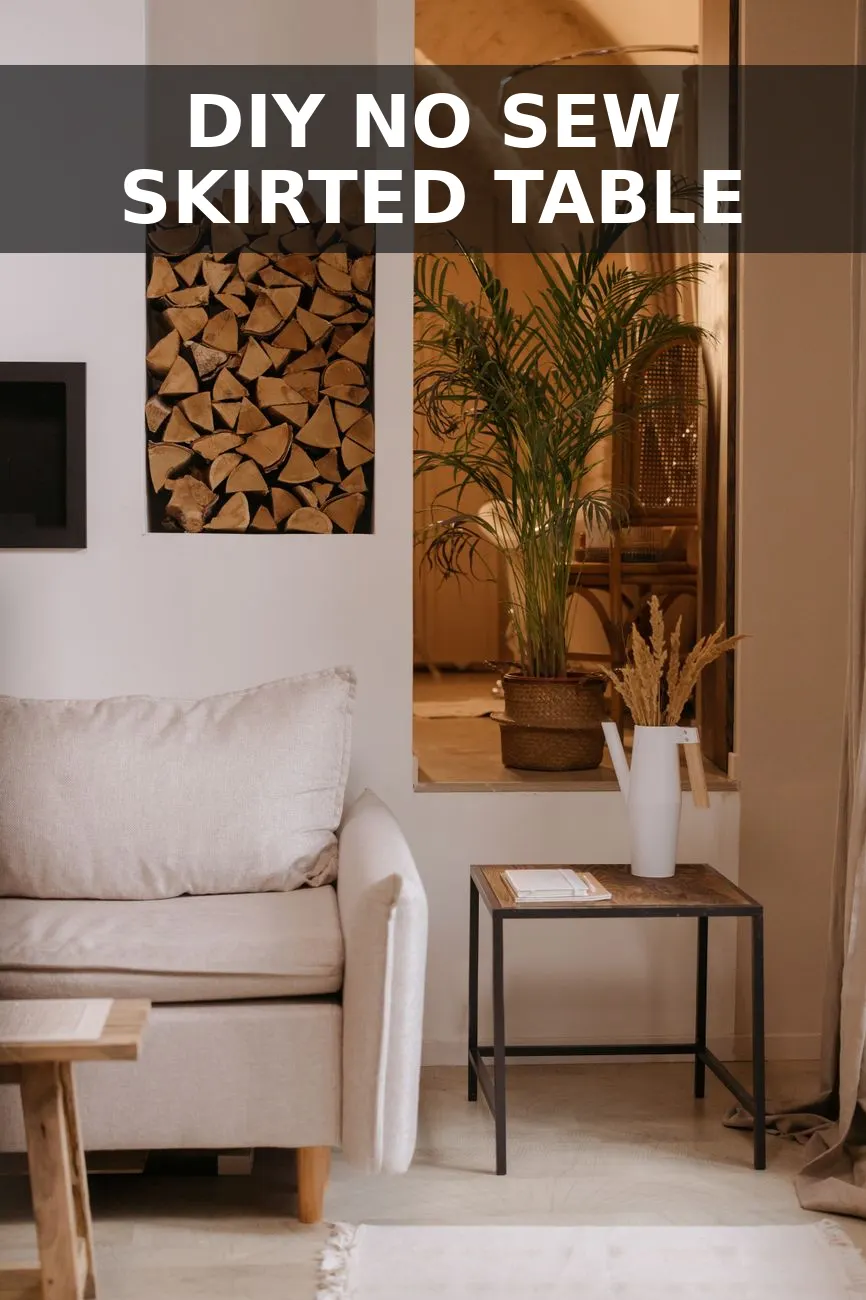
If you are tired of staring at that one awkward, leggy side table in your living room but do not want to spend a fortune on a high-end designer replacement, I have some incredibly good news. You do not need a sewing machine, a big budget, or even any carpentry skills to get that high-end, layered English country look. Today, we are taking a mismatched, scraped-up thrift store round table and turning it into a gorgeous, custom-pleated skirted table that looks like it stepped straight out of a high-end design showroom.
Why Skirted Tables are Having a Major Design Moment
For a long time, fabric-covered tables were relegated to grandma's guest room. But lately, top-tier interior designers have brought them back in a massive way. Why? Because a skirted table does something magical in a living room: it softens all the hard wood and metal legs. If you have a sofa with legs, a coffee table with legs, and an accent chair with legs, your room starts to look like a forest of sticks. A skirted table breaks up that visual noise, adds rich texture, and gives you a secret hiding spot to stash unsightly storage bins, cords, or extra blankets underneath.
I was hunting for one of these online and nearly fell off my chair when I saw the prices. Designer versions easily retail for $450 to $800. But when I spotted a sturdy, yet undeniably ugly, laminate round side table at my local Goodwill for $15, I realized we could easily build a custom no-sew version ourselves for a fraction of the price. Pairing a skirted table with classic lighting, like the one I made in my vintage English fluted floor lamp project, instantly grounds a corner and makes the whole space feel incredibly cozy.
The Materials and Budget Breakdown
To keep this project incredibly cheap and accessible, we are bypassing the sewing machine entirely. Instead, we are using regular weight fusible bonding web (Stitch Witchery) and a basic household iron to create crisp, permanent hems. Here is exactly what I spent to bring this project to life:
| Item | Source | Price |
|---|---|---|
| Thrifted Round Side Table | Goodwill | $15.00 |
| 2.5 Yards of Cotton-Linen Fabric | IKEA / Joann Fabrics | $11.00 |
| Stitch Witchery (Regular Weight) | Target / Craft Store | $3.50 |
| Adhesive-Backed Hook and Loop Tape | Home Depot | $2.50 |
| Total Cost | All Materials | $32.00 |
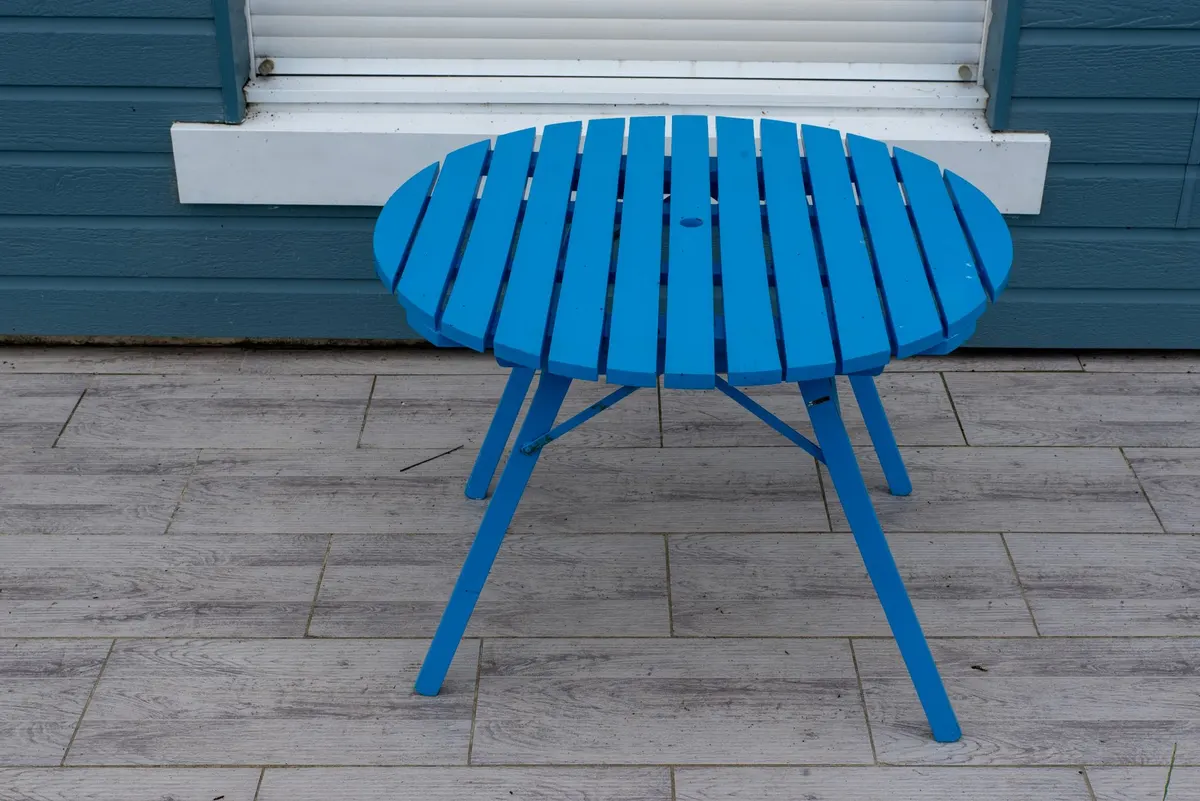
All in, this project came out to exactly $32, saving us over $400 compared to buying retail. You can use almost any round table for this — even a cheap plastic outdoor patio table or a beat-up laminate table works perfectly because the fabric will completely hide it.

Step-by-Step No-Sew Assembly Guide
Do not let the pleating process intimidate you. Once you understand the math, it is incredibly simple and goes by fast. Follow these steps to assemble your custom skirt:
- Measure and cut your fabric: First, measure the height of your table from the top edge to the floor (the drop). Add 2 inches to this number for your top and bottom hems. Cut your fabric panels to this length. Next, measure the circumference of your table. Multiply that number by 1.5 to get the total length of fabric you need for the skirt to allow for gorgeous, overlapping box pleats.
- Hem your panels: Lay your fabric panels face down. Fold the top and bottom edges over by 1 inch, sliding a strip of Stitch Witchery inside the fold. Run a hot iron with steam over the fold for about 10 seconds to activate the adhesive. Repeat this for the side edges so you have clean, crisp, fray-free borders on all sides of your panels.
- Create the box pleats: Lay your hemmed skirt panel flat on your ironing board. To create a classic 3-inch box pleat, fold 3 inches of fabric back on itself, then fold another 3 inches forward, pinning the pleat flat at the very top edge. Space these pleats about 4 inches apart. Press the top of each pleat with your iron to set the fold. Run a small strip of Stitch Witchery under the inner folds at the very top edge to lock the pleats in place.
- Apply the adhesive tape: Stick the hook side of your adhesive-backed hook and loop tape directly along the top rim of your table. Then, stick the loop side of the tape along the inside top edge of your pleated fabric skirt.
- Hang the skirt: Simply press the fabric skirt onto the table rim, matching up the velcro tape. Adjust as you go around the curve to ensure the bottom hem sits just a hair above the floor.
- Add the top cap: Cut a square or circle of matching fabric that is 2 inches wider than your table top. Hem the edges with Stitch Witchery, then drape it over the top of the table, letting the slight overhang fall naturally over the top of the pleated skirt.
How to Style Your New English Country Accent Table
Now comes the absolute best part: styling. To lean into that timeless, layered aesthetic, treat the fabric top of your table like a canvas. Because the skirt is soft fabric, you want to top it with heavier, textured materials to create visual balance.
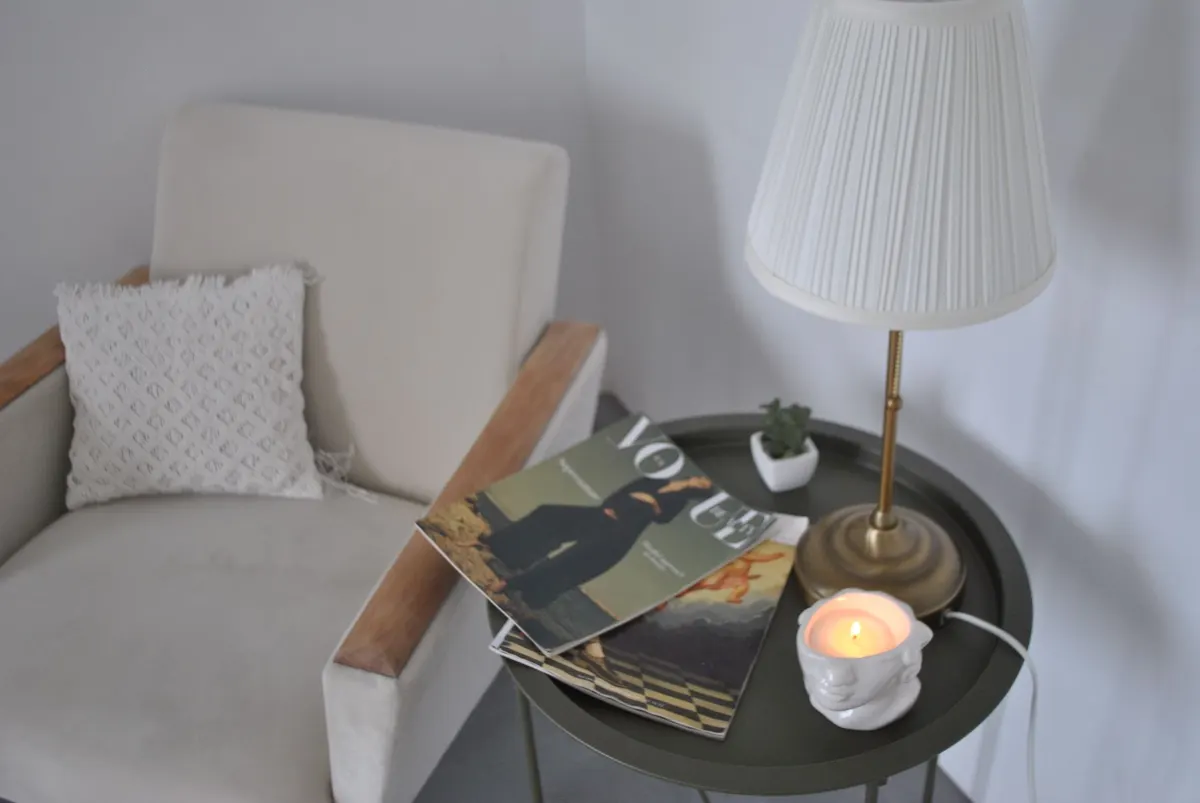
I love styling mine with a heavy antique brass tray to corral a small stack of thrifted art books, a small stoneware dish for matches, and a glowing cordless candle. If you love that historic, curated look, you can also display small collectibles nearby, like we did in our vintage English library index box project or even style a small tabletop riser, like the one we made in our vintage stone counter riser tutorial, to add varied heights. The beauty of this project is that it instantly makes any corner look deliberate, high-end, and full of character, while secretly giving you a ton of hidden storage underneath.
You Might Also Like
- How to Turn a $10 Thrifted Wooden Wall Sconce into a $340 Vintage Mirrored Candle Sconce for $22
- How to Turn a $12 Thrifted Floor Lamp into a $480 Vintage English Fluted Floor Lamp for $27
- How to Turn an $11 Thrifted Metal Plant Stand into a $420 Aged Stone Martini Table for $25
Frequently Asked Questions
Can I wash the skirt if it gets dirty
Yes, because we used adhesive velcro to attach it, you can easily pull the fabric skirt off and hand wash it or run it on a delicate cycle, then air dry to prevent shrinking.
What fabric works best for a crisp, tailored look
Medium-weight cotton, linen, or a linen-cotton blend holds a pleat beautifully without being too bulky or too floppy.
Will this work on a table with a square or rectangular top
Absolutely — the measuring process is the exact same, you will just fold the skirt fabric neatly around the corners of the table instead of a continuous curve.


0 Comments