

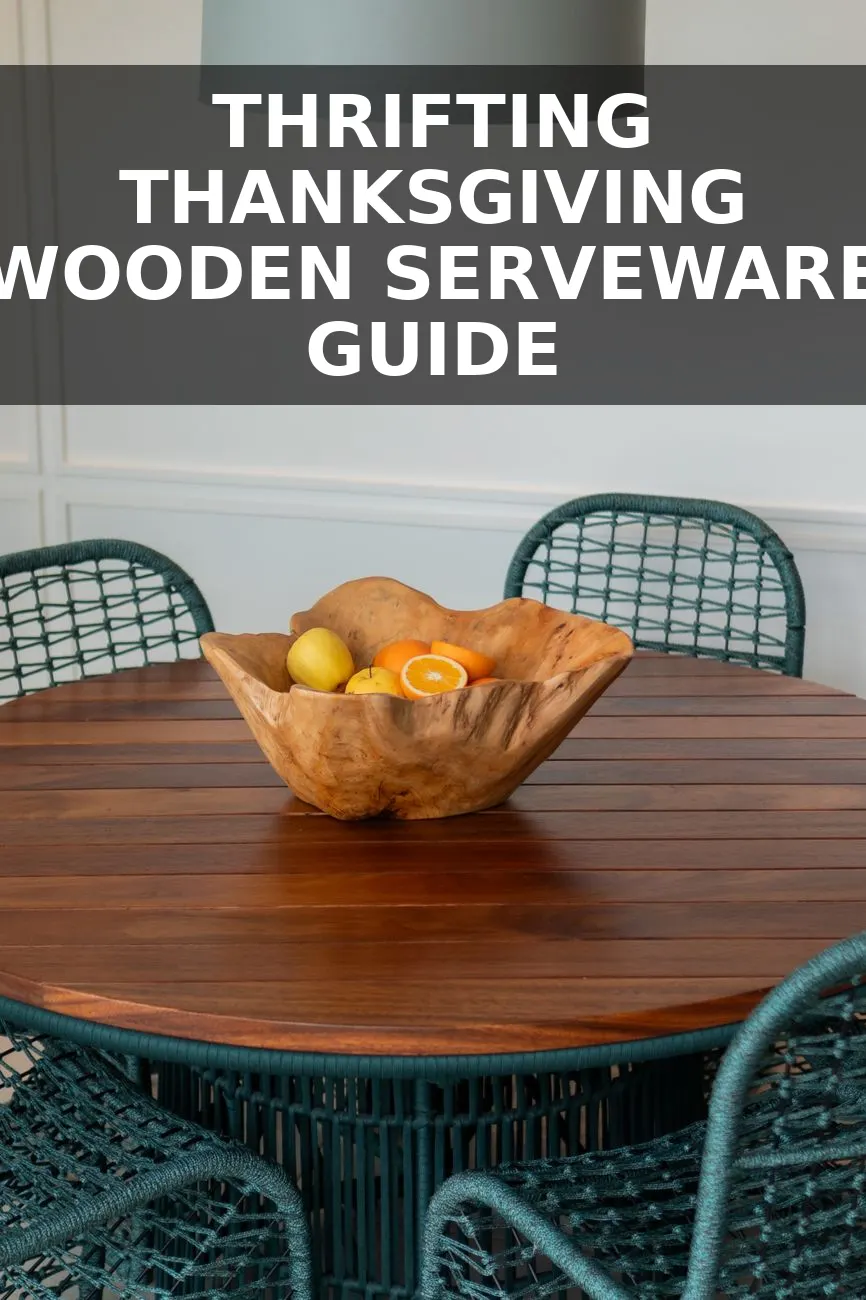
Rummaging through crowded thrift store shelves in mid-autumn often turns up incredible wooden serving bowls, teak chargers, and hand-carved platters that look like they belong in a coastal resort dining room. With Thanksgiving fast approaching, secondhand wooden serveware is one of the smartest ways to bring warm organic texture and relaxed elegance to your holiday table without paying retail prices.
High-end home stores routinely charge anywhere from $80 to $200 for a single large solid wood salad bowl or carved bread board. Yet thrift stores and secondhand shops are practically overflowing with vintage wooden pieces from the 1970s and 1980s for under $10 each. Knowing how to spot quality wood, filter out damaged pieces, and clean them properly will set you up for a gorgeous holiday gathering on a tiny budget.
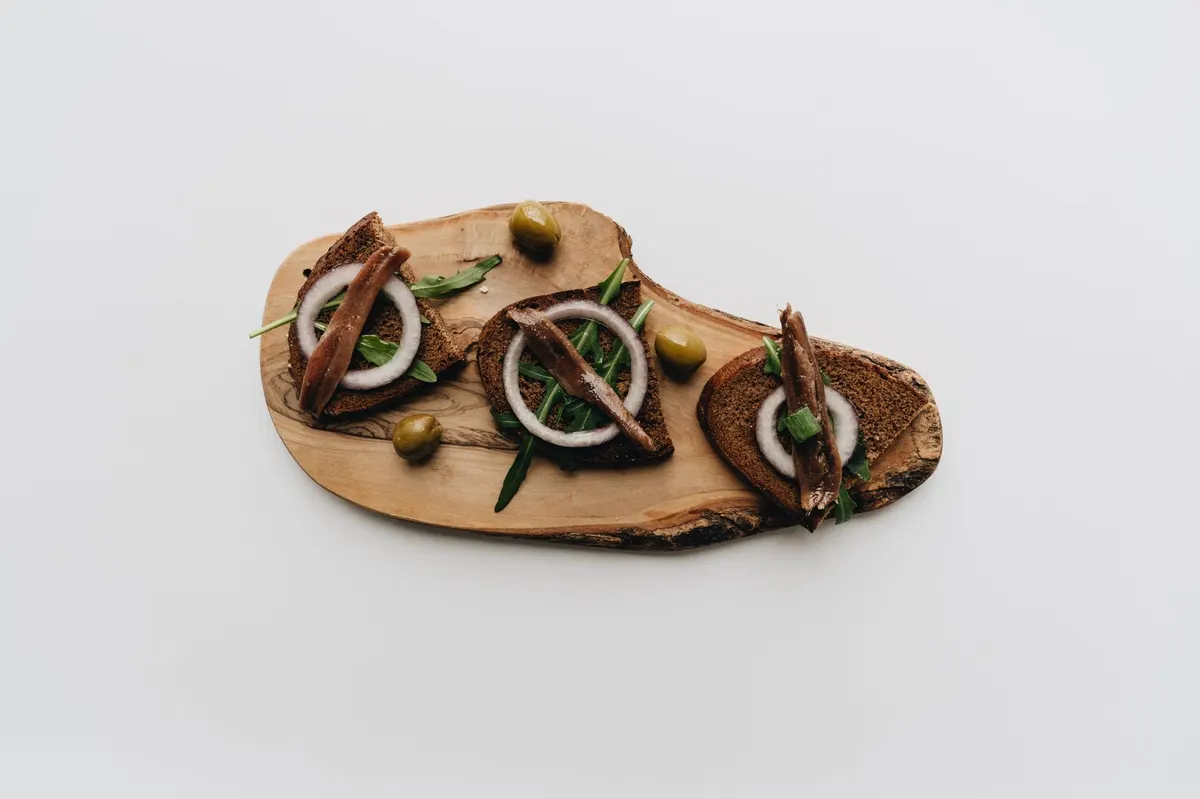
Why Vintage Wooden Serveware Belongs on Your Thanksgiving Table
Natural wood grounds a table setting instantly. Whether your holiday style leans toward classic English country or warm coastal harvest, real wood tones—like warm honey teak, dark walnut, or soft weathered oak—add visual weight and cozy depth that plastic or ceramic standard dishes just cannot match.
Subtle coastal touches work naturally here too. If you prefer a lighter palette, light ash, rubberwood, or sun-bleached acacia offer that soft, drift-wood vibe that pairs effortlessly with woven placemats, white linen napkins, and fresh greenery. Combining these natural textures creates an inviting atmosphere that feels thoughtful rather than over-styled.
Before buying every round piece of timber on the shelf, you need to know how to distinguish high-quality solid craftsmanship from cheap glued pressboard that will disintegrate after one wash.
How to Identify High-Quality Solid Wood
Not all wooden bowls at the thrift store are created equal. Use these simple checks while inspecting items on the shelf:
- Check the grain continuity: Turn the bowl upside down and follow the wood grain lines. Solid wood pieces will have continuous grain pattern lines running over the rim and down the outside wall. If the pattern breaks sharply at a seam or looks identical in repeating panels, it is likely glued veneer or composite wood.
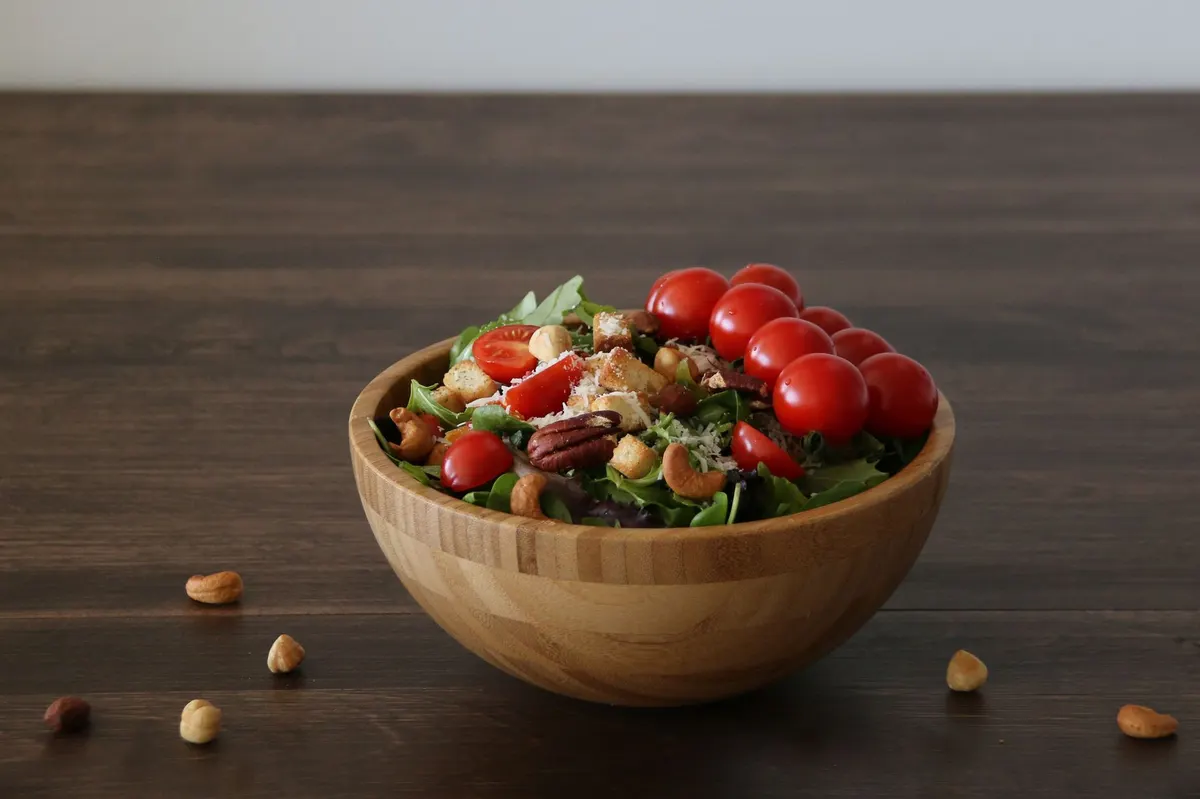
- Feel the weight: Real hardwoods like teak, walnut, mahogany, and oak feel dense and solid in your hands. Softwoods or thin pressed bamboo feel unexpectedly light and hollow.
- Inspect the bottom stamps: Look closely at the base for burnt-in stamps or carved maker marks. Words like Danish teak, handcrafted, solid monkeypod, or Thailand often signal older mid-century pieces made from durable hardwood that ages beautifully.
- Examine joinery on segmented bowls: Many vintage salad bowls were constructed from staves (wedges of wood glued together). Check that all glued seams are tight with zero light showing through.
Red Flags to Avoid at the Thrift Store
Because wood is an organic, porous material, certain types of wear are fixable while others make a piece unusable for serving food. Avoid spending money on items with these defects:
- Deep structural splits: Thin surface hair cracks are fine, but any crack that extends all the way through the wall of a bowl or platter cannot be cleaned safely. Food particles and moisture gather inside split seams, creating a breeding ground for bacteria.
- Musty or moldy smells: Pick up the piece and sniff it. If it smells strongly of damp basement moisture or heavy perfume used to cover mold, put it back. Wood absorbs deep odors that are nearly impossible to wash out completely.
- Flaking polyurethane gloss finish: Older pieces often received a glossy varnish coat that chips off over time. Chipped varnish inside a bowl will flake off into food. Unless you plan to sand the entire interior down to bare wood, skip heavy-coated varnish items.
- Warped bases: Place platters and flat cutting boards on a flat shelf to check for wobbling. A heavily warped board will rock constantly on your holiday tablecloth.
Restoring and Food-Safety Prep for Secondhand Wood
Once you bring your thrift store finds home, giving them a fresh, food-safe restoration takes less than thirty minutes. Follow this sequence to prepare your serveware for holiday hosting:
- Hand wash gently: Wash the wood using warm water, mild dish soap, and a soft sponge. Never soak wooden pieces in a sink full of water, and never place them in a dishwasher.
- Disinfect with vinegar: Wipe down the entire surface using a clean cloth dampened with pure white distilled vinegar. Vinegar neutralizes odors and disinfects without introducing harsh chemicals to the porous grain.
- Smooth out rough spots: If the interior has light fork scratches or rough grain patches, rub those areas gently with fine 220-grit sandpaper along the direction of the wood grain until smooth. Wipe away wood dust with a damp cloth.
- Season with food-grade oil: Apply a generous coat of food-grade mineral oil or butcher block wax conditioner using a clean microfiber rag. Avoid vegetable oils like olive or canola oil, as they turn rancid over time and create sticky surfaces. Let the oil absorb for twenty minutes, then buff dry with a soft towel.
Thrift Buying Quick Reference Guide
To help you budget your trip, here is what you can expect to pay for secondhand wooden serveware, alongside what to look for and what to skip:
| What to Look For | Fair Price | Red Flags |
|---|---|---|
| Large Salad / Punch Bowls (Teak, Walnut, Acacia) | $8 - $15 | Deep splits along seams, chemical varnish smell |
| Individual Serving Bowls or Rimmed Plates | $2 - $4 each | Soft spots, heavy edge splintering |
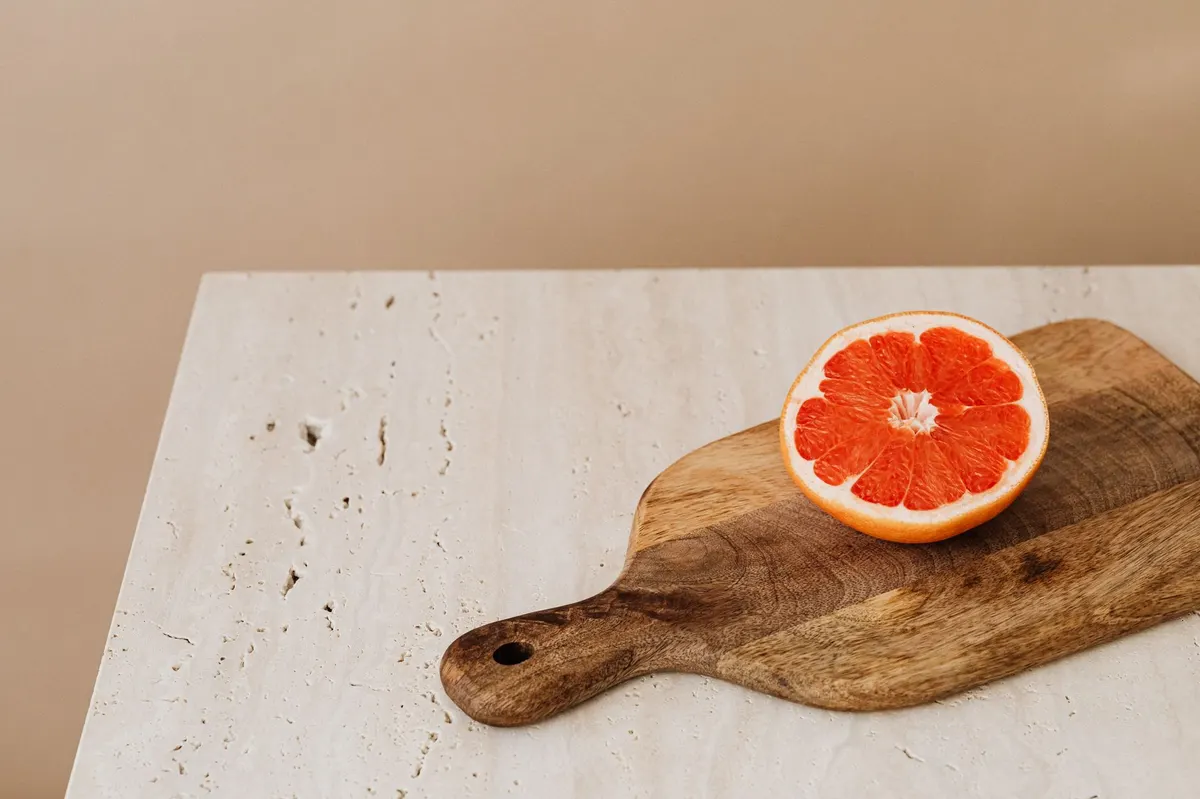
| Carved Platters & Bread Boards | $5 - $12 | Severe warp/wobble, deep black knife stains |
| Wooden Salad Tongs & Serving Spoons | $2 - $5 pair | Cracked handles, flaking lacquer finish |
Prices are estimates and vary by store and region.
Building a complete Thanksgiving table set—including a large focal salad bowl, a long carved bread platter, and serving utensils—typically costs around $20 to $35 total at local thrift shops. That gives you an artisanal, layered look for a fraction of store prices.
Styling Your Thrifted Wood for Holiday Hosting
When setting your Thanksgiving table, alternate warm wooden pieces with complementary textures so the wood grain stands out. Place a long wooden carved board down the center as a base for candle holders, or fill a warm teak bowl with seasonal fruits like pomegranates, green pears, and small gourds.
Combine your wooden serveware with vintage brass elements for a glowing candlelit vibe. If you want tips on picking out metallic accent pieces, check out our guide on what to look for when thrifting vintage brass decor. You can also explore our step-by-step approach to styling an elegant Thanksgiving table in 4 simple layers to tie everything together effortless and stress-free.
You Might Also Like
- The Designer Thanksgiving Table Look for a Fraction of the Price
- How to Style an Elegant Thanksgiving Table in 4 Simple Layers
- How to Turn a $12 Thrifted Wooden Mail Sorter into a $350 English Country Spice Box
Frequently Asked Questions
Is thrifted wooden serveware safe to eat off of
Yes, as long as the wood is solid, free of deep cracks where bacteria hides, and thoroughly disinfected with white vinegar before seal-treating with food-grade mineral oil.
How do you strip old sticky varnish off a thrift store wooden bowl
Scrub the interior with coarse steel wool soaked in warm water and dish soap, or sand lightly with 220-grit sandpaper until you reach smooth, bare wood.
Can I put thrifted wooden serving platters in the dishwasher
Never put natural wood serveware in the dishwasher or submerge it in standing water, because intense heat and moisture will warp, split, and ruin the grain.


0 Comments