

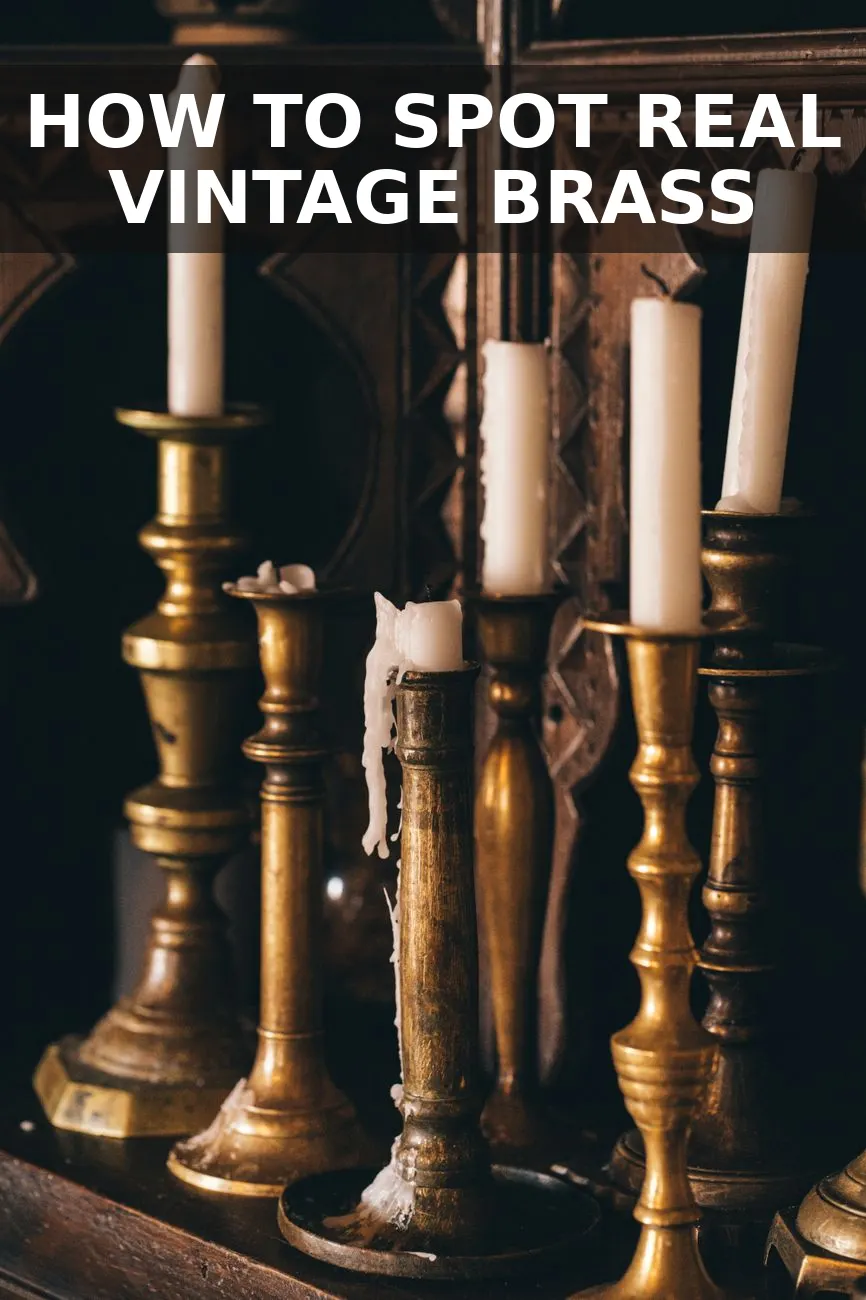
Walking into a thrift store and spotting a glint of gold on the shelves is an instant rush, but too many shoppers go home with cheap spray-painted metal or hollow plastic disguised as solid brass.
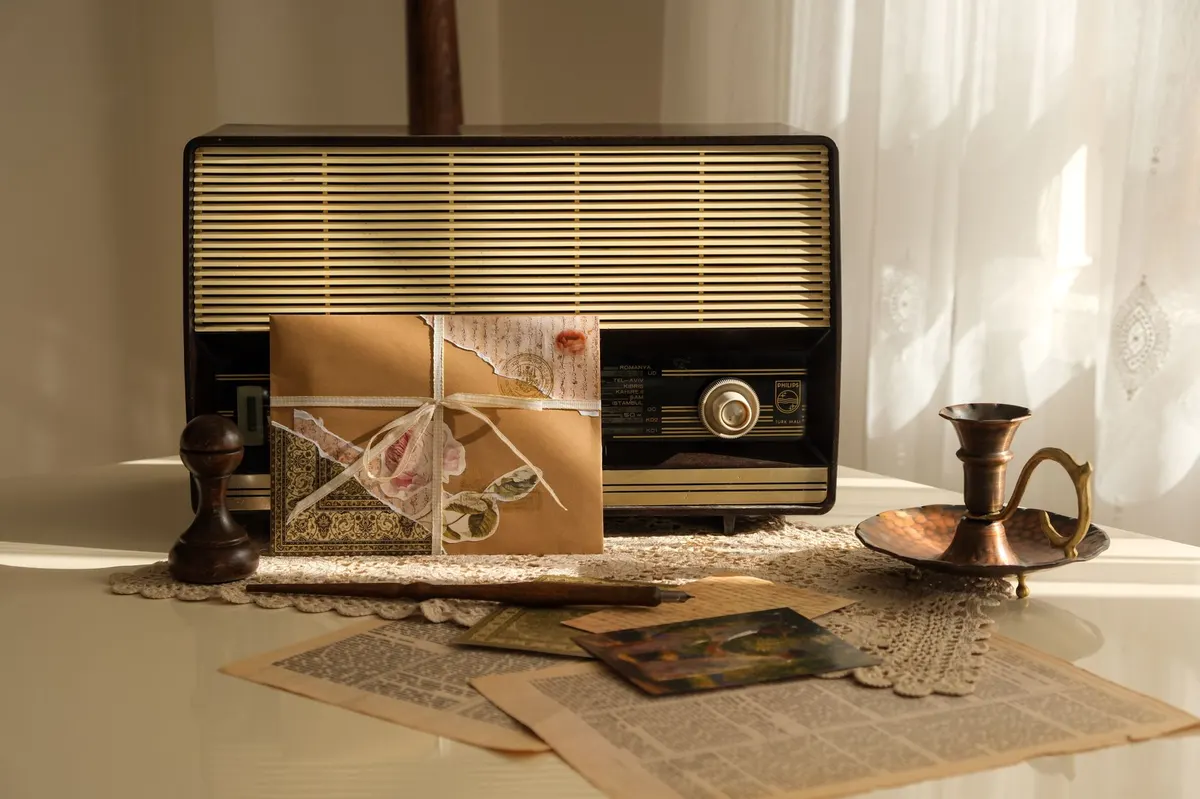
The Pocket Magnet Test and Weight
If you only bring one tool to the thrift store, make it a simple refrigerator magnet. Genuine solid brass is non-magnetic. If you place a magnet against a brass-colored bowl, candlestick, or tray and it sticks, you are holding brass-plated iron or steel. While plated pieces can still look decent on a shelf, they lack the value, heft, and durability of the real thing. Over time, the thin brass plating on these cheaper items can wear away, exposing the grey metal underneath.
Solid brass also has a distinct weight to it. Pick it up. It should feel surprisingly heavy for its size. If a large candlestick feels as light as a feather, it is likely cheap aluminum with a gold finish or even hollow plastic. Real brass has a satisfying, grounding presence that instantly makes a shelf look collected and historic. Always trust your hands: if it feels cheap, it almost certainly is.
Patina, Markings, and Manufacturing Clues
True vintage brass ages gracefully, developing a dull, warm, slightly darkened patina over decades. Look for small imperfections, tiny dark spots, or a soft glow rather than a harsh, mirror-like shine. If a piece is exceptionally bright and shiny, it might have a thick lacquer coating. This coating prevents tarnishing but can look a bit cheap and plasticky. You can strip lacquer with boiling water or acetone, but finding a piece with natural patina is always the goal.
Turn the item over and look at the bottom. Genuine vintage brass often features maker marks, country-of-origin stamps (like India, Korea, or England), or even hand-engraved numbers. If you find a rough, grainy texture on the underside, it was likely sand-cast, which is a traditional manufacturing method that indicates older craftsmanship. Smoother, perfectly uniform bottoms often point to modern mass-production.
For example, if you find a vintage tray or container, these details can help you decide if it is worth your time. You can easily turn a simple metal piece into something spectacular, like how you can transform a cheap tray into a vintage brass entryway boot tray for just a few dollars, but starting with solid, heavy metal makes all the difference.
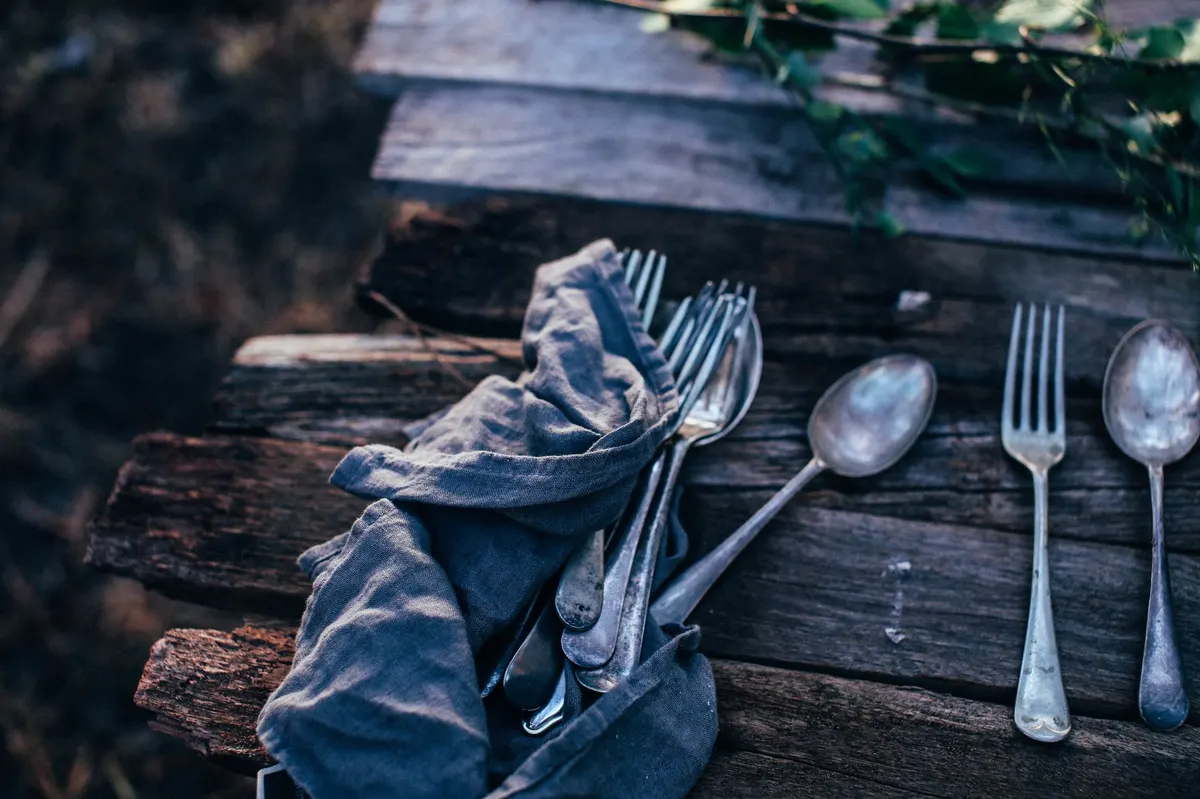
What to Avoid: Red Flags and Dealbreakers
Not all brass is worth saving. Before you head to the cash register, give your find a thorough inspection. Watch out for deep green crusty spots, known as verdigris. While a little bit of green tarnish is charming, heavy corrosion can eat pits into the metal that no amount of polishing can fix. Another major warning sign is cracking or split seams, especially along the stems of candlesticks or the handles of vessels. Once brass splits, it cannot be easily repaired at home.
Check the threading on pieces that screw together, like multi-part candlesticks or standing lamps. If the threads are stripped and the piece wobbles, it will be a constant headache to keep straight. Pass on anything that cannot stand up straight on its own unless you are planning to use it purely for scrap parts.
To Polish or Not to Polish?
Once you get your thrifted treasures home, you have to make a choice: do you clean them to a bright, golden shine, or do you leave the aged character intact? There is no wrong answer here, but it depends entirely on your personal style. If you love a moody, historic look, a simple wipe-down with a damp cloth to remove dust and grime is all you need. The dark, oxidized areas in the crevices of ornate details actually help define the shape and give the piece depth.
If you prefer a cleaner, more classic aesthetic, you can easily restore the shine. Skip the expensive, harsh chemical cleaners and start with a natural method. A mixture of equal parts salt, flour, and white vinegar rubbed onto the metal can lift years of tarnish without scratching. For stubborn spots, a dedicated brass polish works wonders, but always test it on the underside first to ensure you like the result. Remember that polishing is a commitment; once you strip the patina, it will take years to grow back naturally.
The Vintage Brass Price Guide
Thrift stores have caught on to the vintage brass trend, but you can still find incredible deals if you know what a fair price looks like. Never pay antique mall prices at a local charity shop. Expect to spend anywhere from $3 to $15 for most common brass pieces. If you run into something priced higher, make sure it is exceptionally unique or heavily detailed.
Here is a quick cheat sheet to keep on your phone during your next thrift trip:
| What to look for | Fair price | Red flags |
|---|---|---|
| Solid Brass Candlesticks | $3 to $8 each | Stripped threads, wobbly bases, or magnets sticking to the stem. |
| Brass Planters and Bowls | $6 to $12 | Deep green corrosion, pinholes in the bottom, or flaking gold plating. |
| Ornate Brass Figurines | $4 to $10 | Missing parts or obvious glue lines from old repairs. |
| Heavy Brass Trays | $5 to $15 | Severe warping, deep scratches, or thin tinny metal. |
Prices are estimates and vary by store and region.
With this guide in hand, a typical haul of two candlesticks and a small planter should run you about $15 to $20 total. That is a fraction of what you would pay for modern reproductions that often lack the same warmth and weight.
Where to Find the Best Pieces
To find the best vintage brass, skip the curated boutique thrift stores and head straight to local estate sales, flea markets, and independent charity shops. Church bazaars and garage sales are also absolute goldmines because sellers often just want to clear out old boxes and will price heavy brass pieces for pennies.
Don't forget to look in unexpected sections of the thrift store. Brass candlesticks are often mixed in with seasonal holiday decor or placed on bottom shelves under heavy glassware. Small brass boxes or trays might be hiding in the office supply section or the jewelry counter.
If you ever find yourself with a piece of brass wire or metal mesh that looks a bit worn, remember you can always refresh it. For instance, you can easily restore or repurpose wire pieces, similar to how you can convert a basic organizer into a vintage brass hanging bathroom organizer with just a little patience and the right metallic finish. Keep your eyes peeled and always carry that pocket magnet!
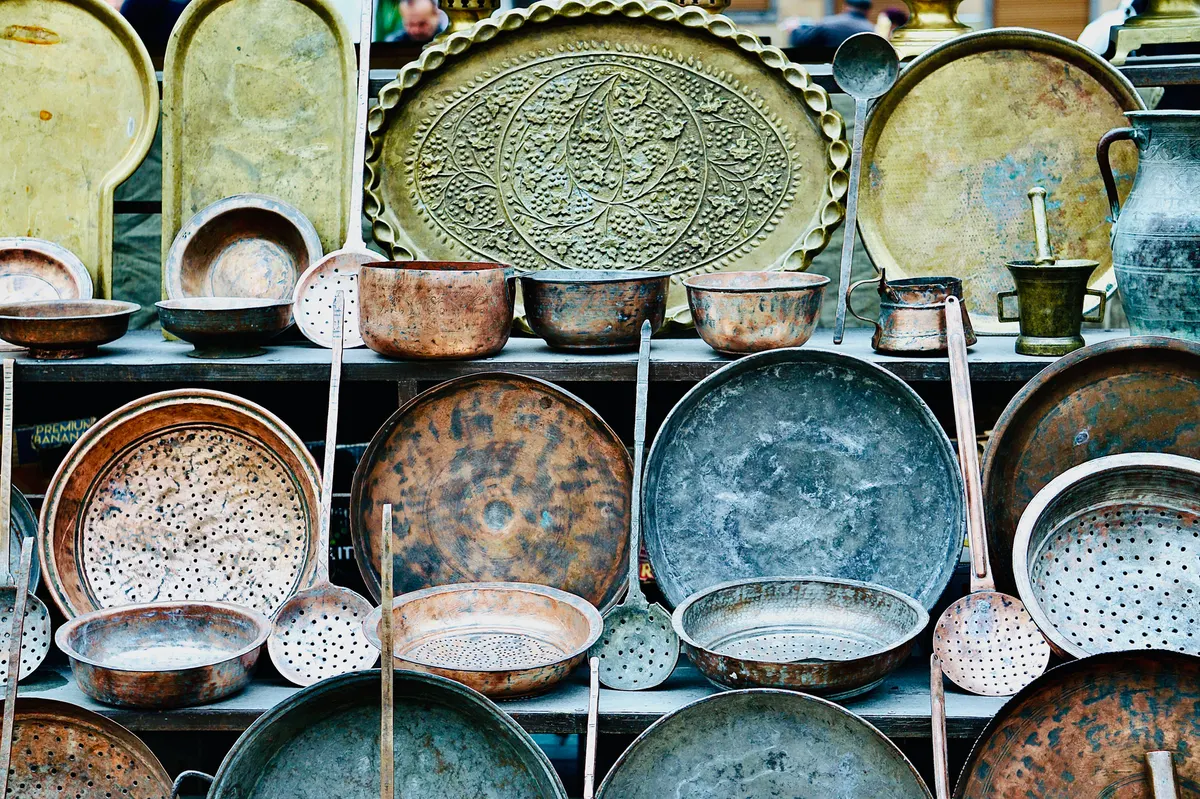
You Might Also Like
- How to Turn a $12 Thrifted Globe into a $450 Vintage English Terrestrial Globe for $27
- How to Turn an $8 Thrifted Glass Dome into a $340 French Antique Cloche for $22
- How to Turn a $7 Thrifted Wooden Napkin Holder into a $340 Vintage English Desk Mail Caddy for $21
Frequently Asked Questions
How do I tell the difference between solid brass and brass-plated metal
Use a simple magnet test. If a magnet sticks to the item, it is brass-plated steel or iron; if it does not stick, it is highly likely to be genuine solid brass.
Can I get heavy green tarnish off a brass piece
Light green tarnish can be cleaned with a vinegar and salt paste, but heavy, crusty corrosion known as verdigris can permanently pit and damage the metal.
Should I polish my thrifted brass or leave it alone
It depends on your style: leave the dark patina for a moody, historic look, or polish it with a flour, salt, and vinegar mixture for a bright golden shine.


0 Comments