

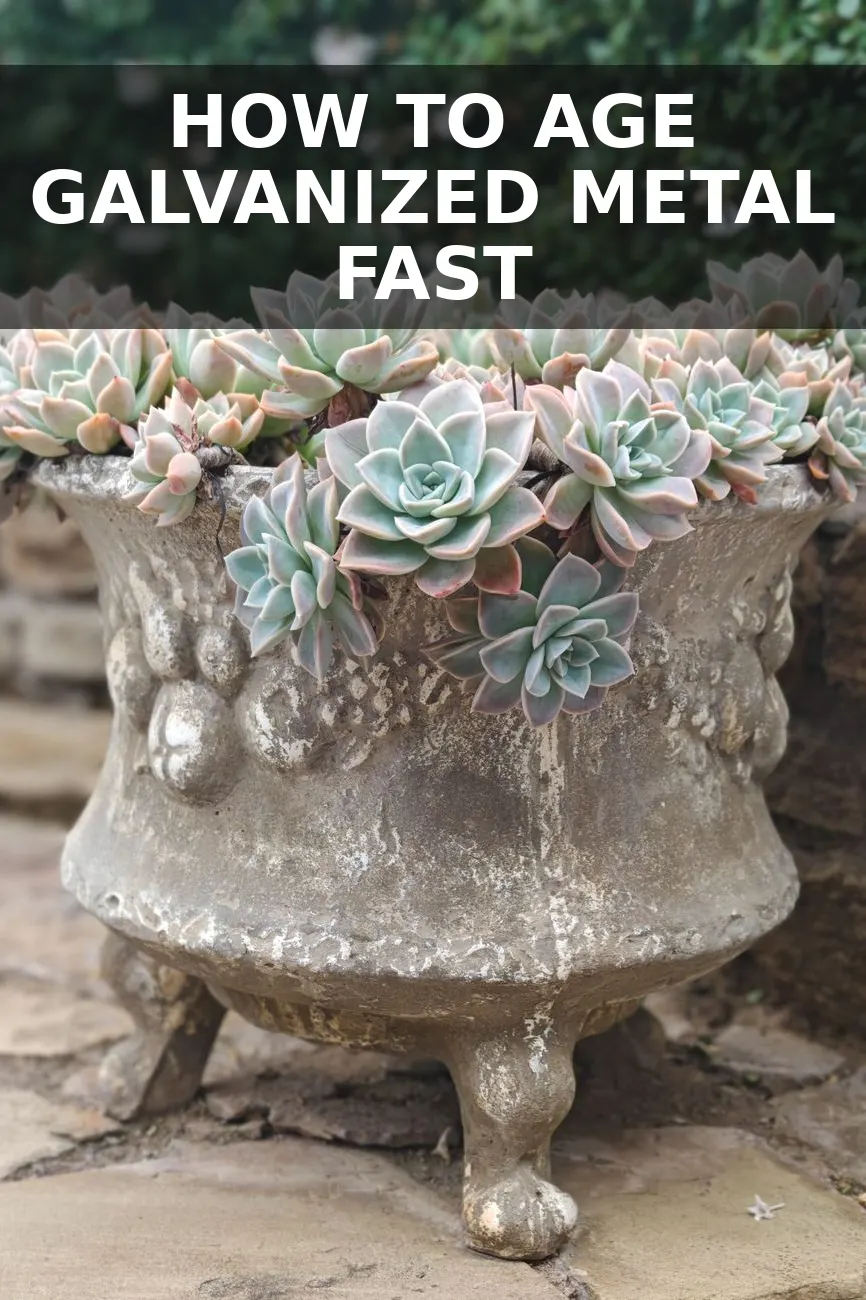
Every thrift store has at least one shiny oval galvanized beverage tub sitting in the housewares aisle with faded party branding or tacky rope handles, usually priced at ten bucks or less. Brand-new ones from high-end garden retailers like Terrain or French salvage dealers cost upwards of $380, boasting deep matte zinc patinas, soft chalky mineral blooms, and welded side seams that look two hundred years old. You can turn that cheap shiny party tub into an authentic aged zinc courtyard planter in an afternoon using pantry staples and about twenty minutes of active work.
Why Modern Galvanized Tubs Look So Cheap
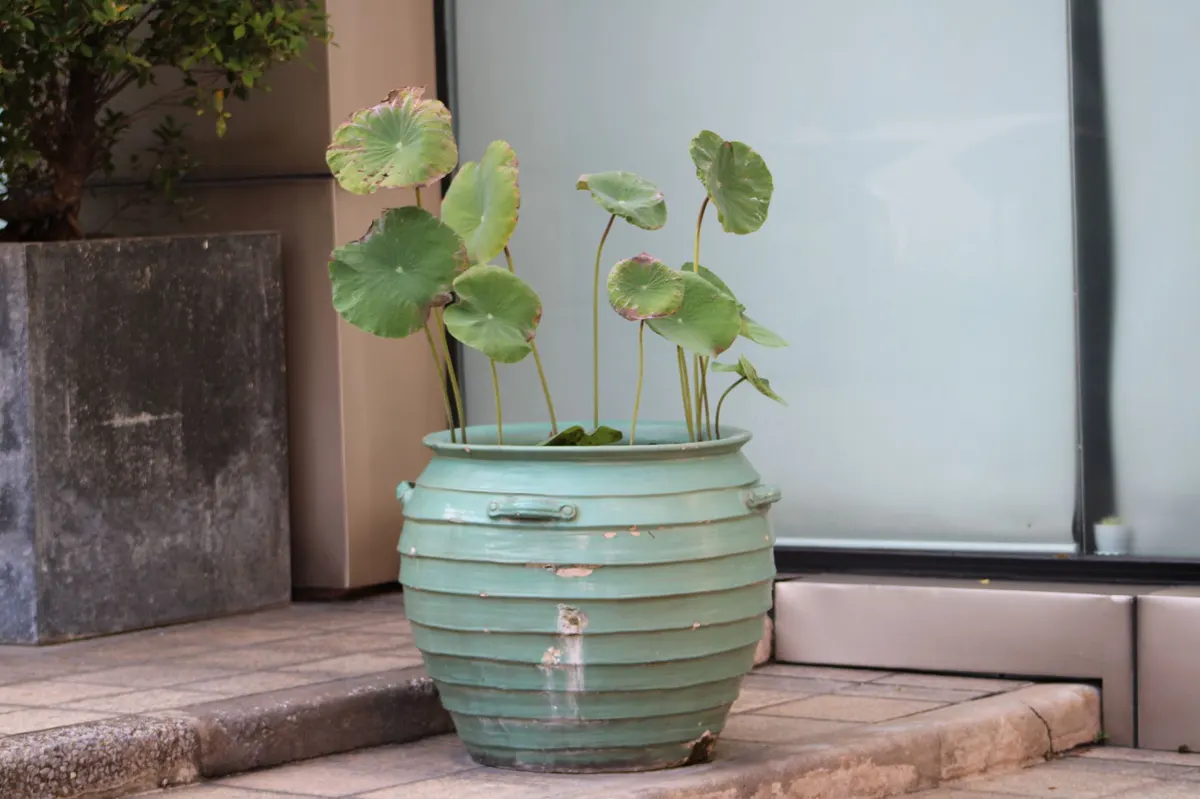
Modern galvanized steel comes from the factory coated in an ultra-bright, mirror-slick layer of hot-dipped zinc spangle, designed specifically to repel weather and stay shiny forever. That shiny, sparkly finish is why a cheap drink cooler looks like it belongs by a barbecue grill instead of tucked beside an olive tree on a stone terrace. Authentic antique European wash basins and zinc planters have endured decades of rain, acidic soil, and sun exposure, which dissolves that harsh mirror glare into a velvety, matte blue-gray stone finish.
If you have tackled outdoor container projects before, like our vintage English garden planter trough, you already know the trick to convincing outdoor pieces is stripping away that machine-made perfection. To get authentic age on galvanized steel, you do not need expensive specialty patinas from art supply shops. Household white vinegar, regular three-percent hydrogen peroxide, and coarse table salt trigger the exact same chemical oxidation process in twenty minutes that would normally take twenty rainy years outdoors.
Prepping and Etching the Shiny Metal
Before any chemical reaction can take place, you have to break through the factory sealant that manufacturers spray over galvanized wash tubs. If you skip this, your etching solution will simply bead up and slide off like water on a freshly waxed car hood.
- Remove any cheap synthetic rope handles, plastic grommets, or printed stickers. If there are stubborn adhesive tags, scrape them off with a putty knife and hit the residue with a dab of rubbing alcohol.
- Scuff the entire exterior and interior rim using a 120-grit sanding sponge or coarse steel wool. You are not trying to sand off the metal; you just want to scratch the shiny surface so the protective clear coat breaks and the raw zinc is exposed.
- Wipe the entire tub down with warm water and dawn dish soap to remove all metal dust, oils from your hands, and shop grease, then let it air dry completely.
- Flip the tub upside down on a scrap board and drill five or six quarter-inch drainage holes in the bottom floor using a basic titanium or cobalt drill bit. Keep steady pressure and medium speed so the bit cuts clean through the steel without overheating.
The Kitchen-Cabinet Etching Recipe
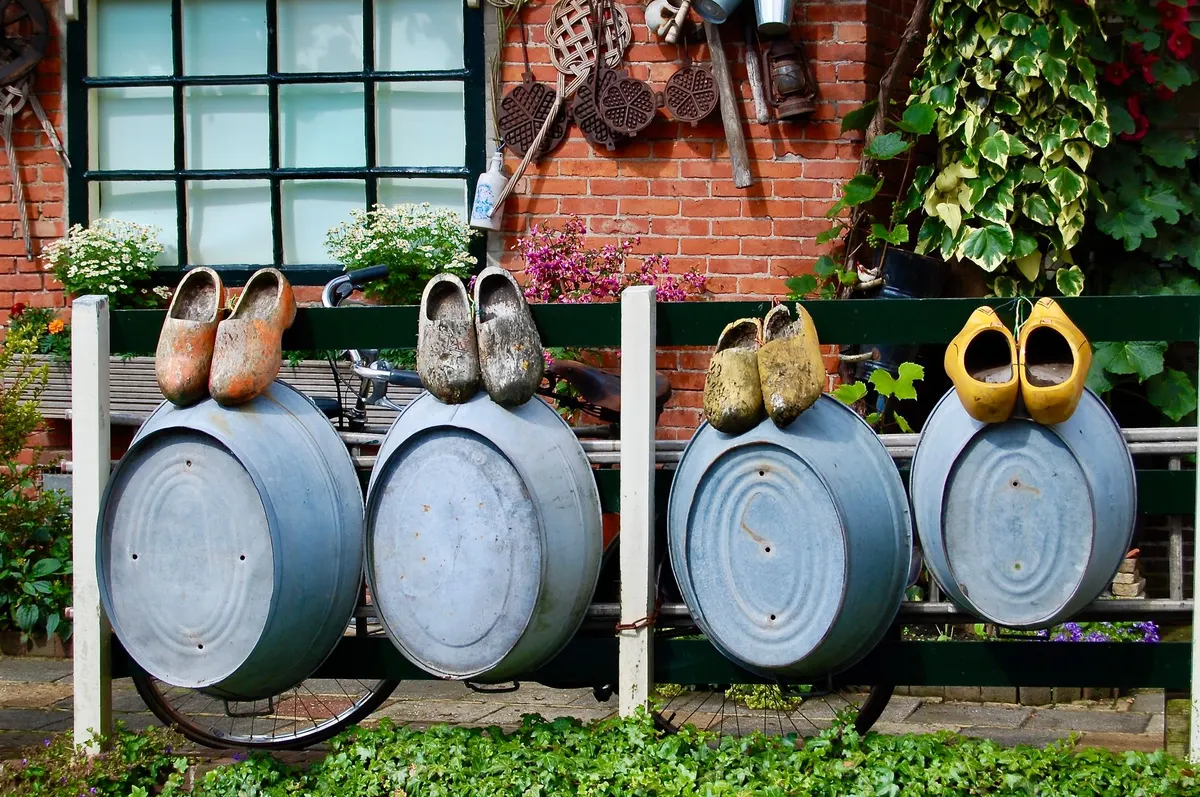
This is where the magic happens. Grab an empty spray bottle from the dollar store, head outside to a well-ventilated spot on the lawn or driveway, and mix your etching bath. Combine two cups of plain white distilled vinegar, one cup of standard three-percent hydrogen peroxide, and three generous tablespoons of regular table salt. Swirl the bottle until the salt dissolves completely.
Mist the entire exterior of the metal tub until it is dripping wet. Within two minutes, you will hear a faint fizzing sound as the acid in the vinegar reacts with the peroxide and bites into the raw zinc. Leave the tub sitting in direct sun for thirty minutes. As the liquid dries, crusty white and pale gray salt blooms will form right on the steel. Spray a second light coat over any areas that still look too shiny, concentrating around the rolled rim, side ribs, and handle brackets where water naturally pools and ages metal faster on real antique farm tubs.
Building the Matte Charcoal Patina
The salt spray creates genuine chalky oxidation, but antique zinc also has deep shadowed undertones that give it depth. Once the etched tub is bone dry, mix a tiny wash of matte black acrylic paint and water in a plastic cup: about one teaspoon of paint to half a cup of water, making a thin, watery stain.
- Brush the watery wash liberally into the side grooves, handle seams, and bottom edge where soil and moss would naturally settle over years of garden use.
- Immediately take a crumpled paper towel or damp rag and buff away ninety percent of the wash from the flat surfaces, leaving the dark pigment caught inside the crevices and stamped metal lines.
- If any spot looks too dark, wipe it firmly with a damp cloth; the acrylic is thin enough that you have several minutes of playtime before it locks into the etched metal.
- Let the wash dry for an hour, then mist the entire outside with an ultra-matte exterior clear spray coat to lock in the powdery texture without restoring any artificial sheen.
Budget Breakdown
High-end garden boutiques charge outrageous prices for zinc troughs, but this DIY replica uses everyday thrifted items and standard household supplies. Here is how the actual expenses broke down for this build:
| Item | Price |
|---|---|
| Thrifted Galvanized Beverage Tub | $10.00 |
| White Vinegar (16 oz used) | $1.50 |
| Hydrogen Peroxide (16 oz bottle) | $1.25 |
| Table Salt & Acrylic Paint (on hand) | $0.00 |
| 120-Grit Sanding Sponge | $3.50 |
| Matte Exterior Clear Spray (partial can) | $7.75 |
All in, this came out to about $24 for a planter that looks like an authentic European heirloom. It sits on my back patio right beneath a vintage hanging lantern styled after our French garden chandelier, filled with trailing rosemary, white wave petunias, and dusty miller. Next to an English country boot stand near the back door, it completely transforms a plain concrete slab into a charming cottage terrace.
You Might Also Like
- How to Turn an $11 Thrifted Metal Milk Crate into a $380 Vintage English Garden Planter Trough for $24
- How to Turn an $11 Thrifted Brass Chandelier into a $450 French Garden Chandelier for $24
- How to Turn a $12 Thrifted Fireplace Screen into a $450 French Country Garden Trellis for $25
Frequently Asked Questions
Will vinegar strip the shiny galvanized coating on its own
Vinegar will etch the zinc and cut the factory shine, but mixing it with hydrogen peroxide and coarse table salt creates the chemical reaction that forms real, crusty oxidation marks.
Do I need to drill drainage holes in the bottom
Yes, unless you keep plants in plastic nursery pots inside the tub, use a standard quarter-inch metal drill bit to add five or six drainage holes across the base so root rot never starts.
Can this planter stay outside through freezing winter weather
Yes, galvanized steel handled this way handles freeze-thaw cycles much better than terra cotta because metal won't crack when wet soil expands in freezing temperatures.


0 Comments