


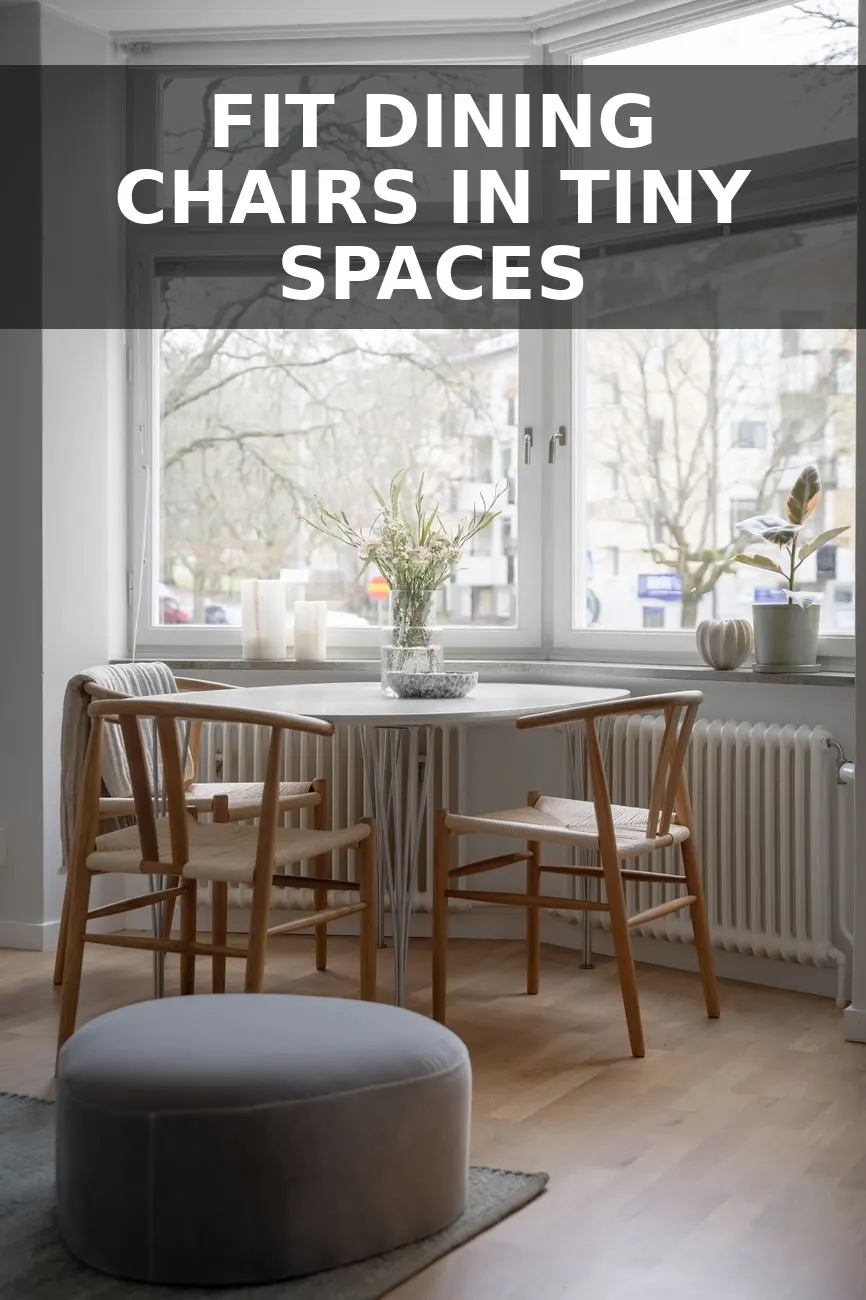
Crammed into a tight apartment corner, a small table often feels impossible to seat comfortably. When floor space is limited, standard seating feels bulky and blocks pathways. These smart layout and styling tricks will help you fit full-sized seating into tight quarters without crowding the room.
Leave at least twenty-four inches of pulling space behind each dining chair so guests can sit down easily without bumping into nearby walls. A common mistake is crowding the dining chair layout so tightly that nobody can actually stand up without moving the entire table. Fix this by positioning the table slightly off-center against a blank wall to expand the clearance on the main walking side.
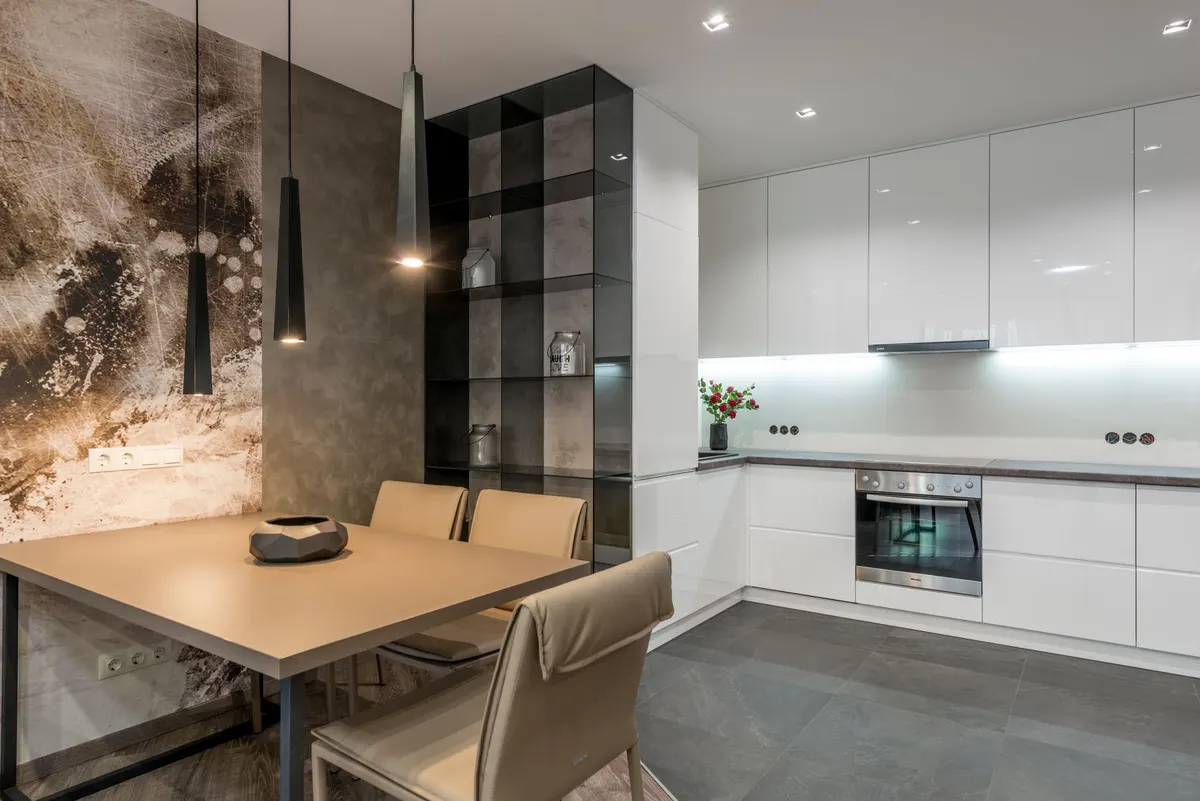
Here are five simple solutions for organizing and choosing dining chairs when square footage is tight:
- Choose armless silhouettes: Armrests add unnecessary width to a dining chair. Opt for sleek, armless frames that sit flush against the table edge.
- Try a bench-and-chair hybrid: Push a narrow wooden bench against the wall on one side of the table and use just two single dining chairs on the opposite side to instantly open up floor space.
- Look for low backrests: Dining chairs with low backs stay hidden below the tabletop line, making a cramped dining nook look significantly larger and less cluttered.
- Swap heavy wood for clear acrylic: Transparent dining chairs trick the eye by letting light pass straight through, virtually disappearing in a tiny room. For a cheaper swap, choose molded plastic seating that offers the same see-through or lightweight visual effect without the fragility.
- Go for stackable metal frames: Lightweight metal dining chairs can be stacked and tucked away in a closet when you need extra floor space for everyday living.
A common mistake is buying dining chairs with overly deep seats that force slouching in compact corners. Look for shallow seat pans that measure under sixteen inches deep for better posture.
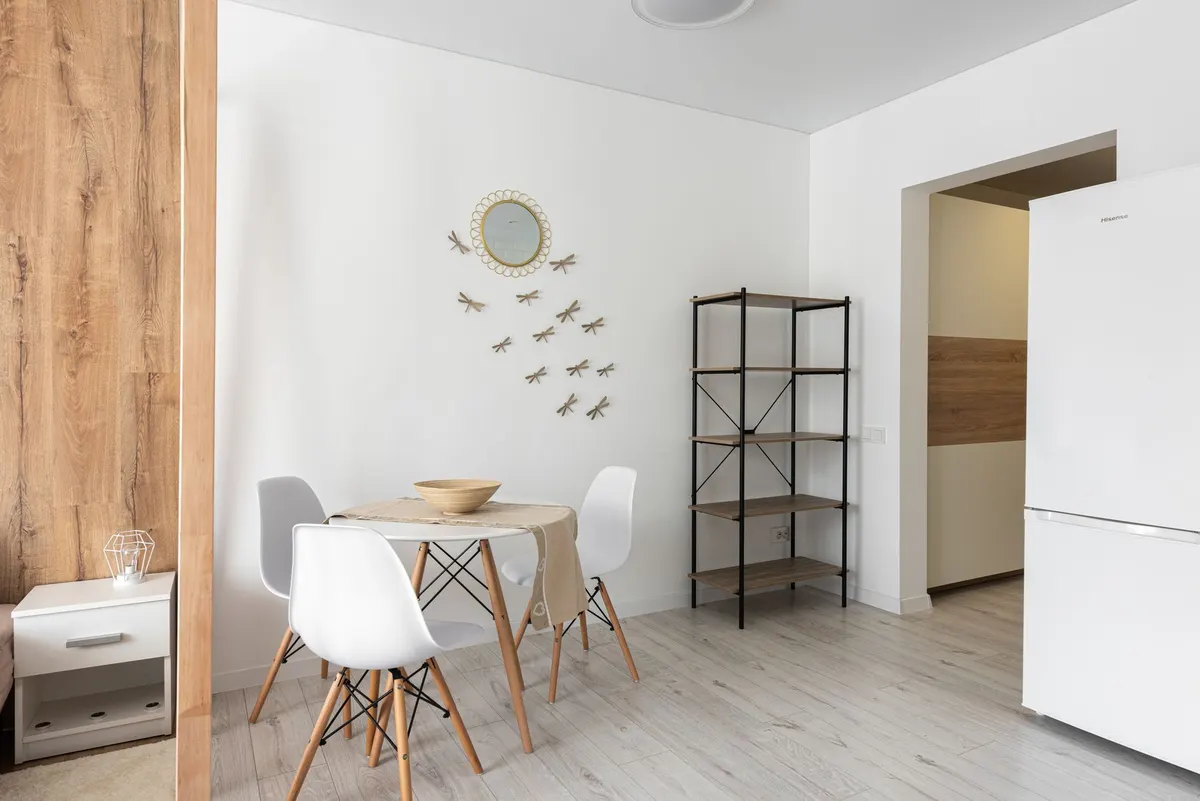
Making a tiny dining area functional comes down to choosing the right proportions. Skip oversized captain chairs with bulky cushions and stick to streamlined profiles. A thrift store find with a slender spindle back often looks much lighter in a small room than a heavy upholstered seat.
Always measure the clearance between your table legs before buying second-hand seating. Standard tables require at least a foot of space between the chair seat and the underside of the table. Taking time to check these measurements ensures your dining chairs slide in smoothly every single time.
Protect your finished pieces by applying a coat of clear matte polyurethane to wooden dining chair legs to guard against daily scuffs from baseboards. Keep fabric upholstered dining chair seats clean by treating them with a stain-repellent spray right after assembly. Tighten any loose hex screws on your metal or wooden dining chair frames every six months to keep the seating sturdy and wobble-free during daily meals.
You Might Also Like
- Thrift Store Wooden Cradles: Which Ones Make the Best Holiday Gifts for a Nursery Corner
- How to Clean, Refresh and Care for Second-Hand Wicker on a Stair Landing Nook
- Does Faux Snow Spray Actually Look High-End? What Happens When You Try It on Holiday Decor
Frequently Asked Questions
Can I mix different styles of dining chairs in a small dining nook
Yes, mixing mismatched thrift store dining chairs adds character, just keep the seat heights consistent so everyone sits at the same level.
What is the best way to tuck dining chairs completely under a small table
Choose armless dining chairs with low backrests so they slide entirely beneath the tabletop when not in use, saving precious floor space.
How do I protect hardwood floors from heavy wooden dining chairs
Apply stick-on felt pads to the bottom of each dining chair leg to prevent scratching and make sliding them in and out much quieter.


0 Comments